
Design Systems That Help Teams Ship Faster
We help product teams turn scattered UI patterns into a system they can use. That means shared components, clear standards, practical governance, and a rollout plan that works for both design and engineering.
What This Usually Looks Like
Most teams need a system that solves the delivery friction they have today and can grow with the product. A large design-system program is rarely the right place to start.
Start With an Audit
We start by finding the patterns that are hurting delivery, user experience, and maintenance. We do not try to document every visual variation in the product.
Build the System Around Usage
We shape components, tokens, and guidance around the product's real workflows so the system is useful to engineers and designers from the start.
Roll It Out in Phases
We help teams adopt the system incrementally. New work picks up the shared components first, and older screens are cleaned up in sensible phases.
Related Case Studies
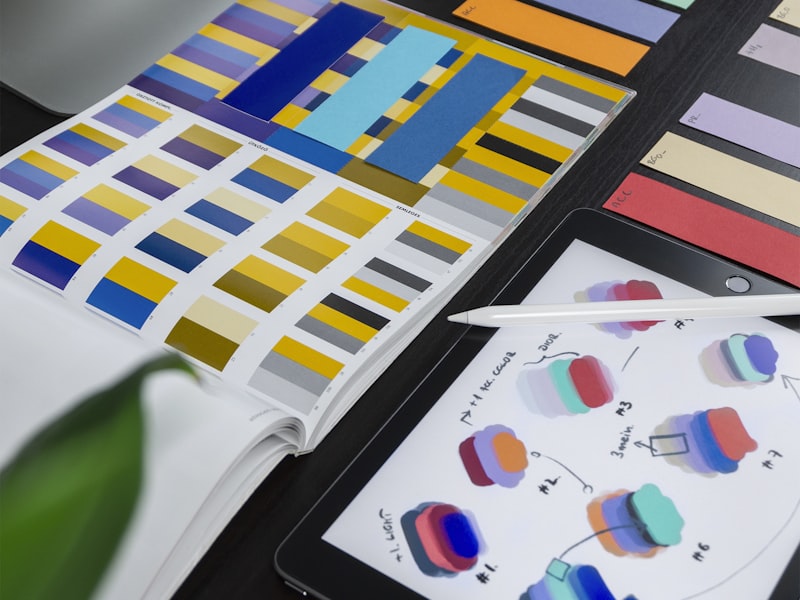
Product Rebuild for a Startup Preparing to Move Upmarket
Reworked product structure and experience patterns so a growing SaaS team could ship a cleaner, more credible platform to larger buyers.
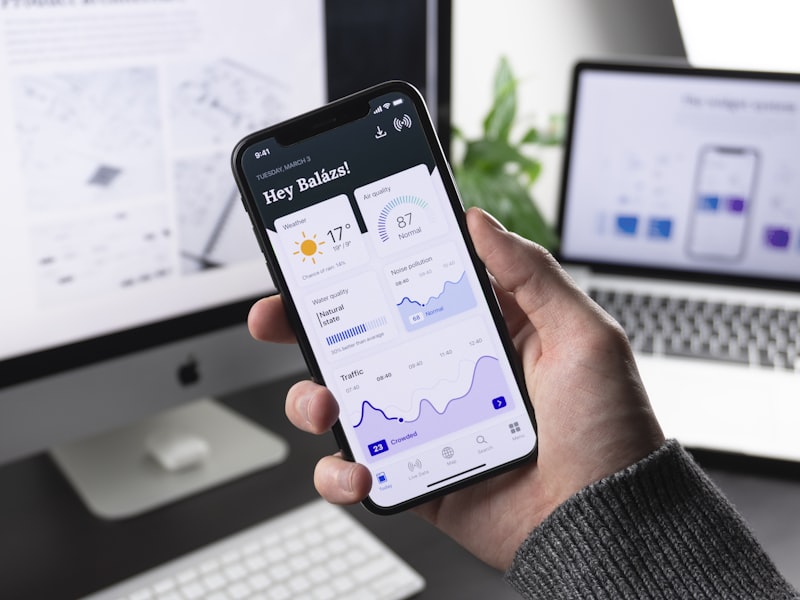
Care Navigation Platform for a Multi-Location Healthcare Group
Unified fragmented patient-facing flows into a simpler digital journey that reduced staff load and improved service consistency.
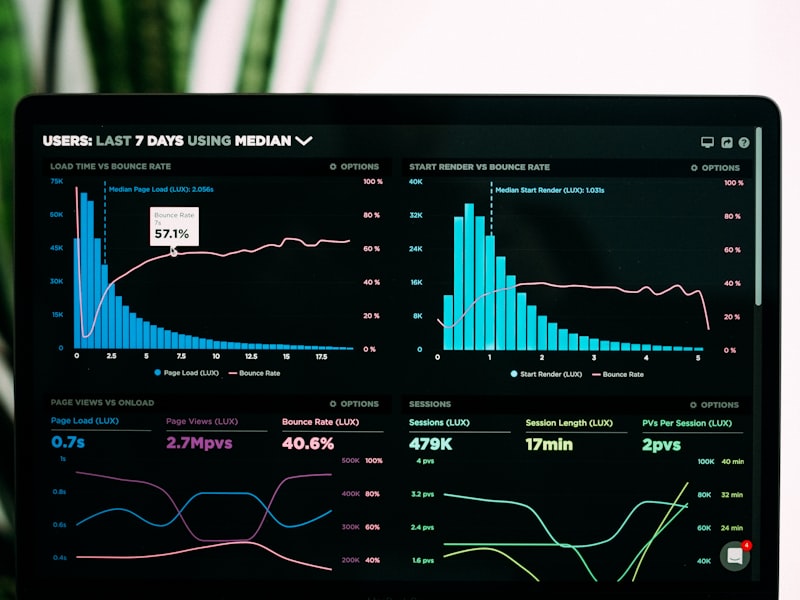
Headless Commerce Rebuild for a Multi-Channel Retail Brand
Created a more flexible storefront and delivery foundation so merchandising teams could move faster without stacking more frontend inconsistency.
What Teams Need from a Good System
Common Questions
What does a design systems consultant do?
We start by auditing the UI patterns that are hurting delivery, user experience, and maintenance, rather than documenting every visual variation in the product. From there we shape the components, tokens, and guidance the product actually needs, and help teams adopt them in phases so delivery keeps moving.
How long does it take to build a design system?
It depends on how much of the product the system has to cover. We scope a first phase around the patterns that are slowing teams down most, get those into production, then widen coverage as adoption grows. A large design-system program up front is rarely the right place to start.
Do you need a dedicated design systems team?
Most teams do not need one, especially early on. A small group of contributors working alongside a product squad, with clear ownership of review and releases, is usually enough. We help set up governance that matches the size of your team.
How is a design system different from a component library?
A component library is the set of shared components in code. A design system covers those components along with the tokens, usage guidance, and governance decisions that keep teams using them the same way. Without that surrounding agreement, a library tends to fork as teams make local exceptions.
What design systems has SunAlgo worked on?
We have done this work on SaaS platforms, healthcare products, and retail storefronts, covering component and token structure as well as the rollout across teams. The related case studies on this page cover a few of those engagements.
Need a Design System That Supports Delivery?
We can help you decide what belongs in the system now, how to roll it out, and where it should connect to engineering workflows.